Kenya Faces Education Crisis as Over 39,000 Trained Teachers Remain Unemployed
Kenya’s education sector is grappling with a growing crisis as new data reveals that over 39,000 trained and registered teachers aged 45 and above remain unemployed, despite a widespread shortage of educators across public schools. This revelation, which came to light during a recent session with the National Assembly’s Education Committee, has sparked concern among lawmakers, education stakeholders, and the public.
According to the Teachers Service Commission (TSC), these 39,017 teachers are part of a much larger pool of over 343,000 registered educators who are not on the government payroll. This group includes 134,914 Early Childhood Development Education (ECDE) teachers, 124,061 primary school teachers, and 84,510 post-primary school teachers.
Of particular concern is the fact that many of the unemployed individuals have been seeking positions for years without success, often due to systemic barriers such as age discrimination, limited funding, and bureaucratic delays in hiring.
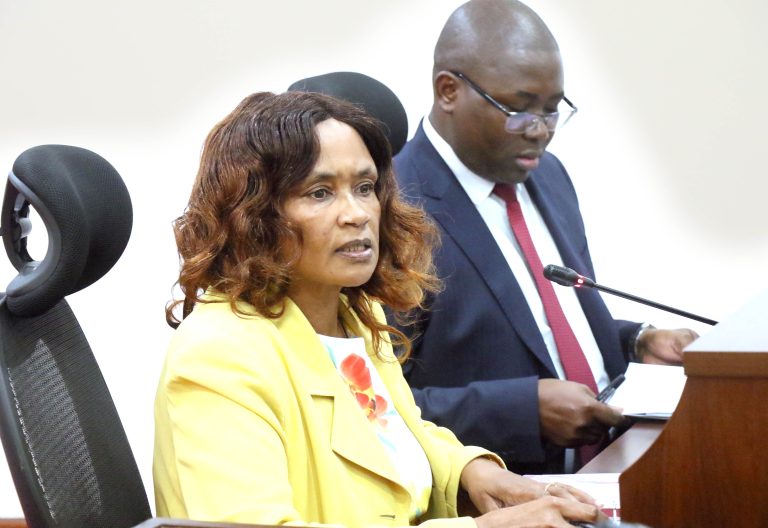
Acting TSC CEO Evaleen Mitei told Parliament that while efforts to recruit more teachers are ongoing, the Commission’s ability to employ them is constrained by insufficient budget allocations. She added that a lack of updated information, including location data, from many unemployed teachers has complicated deployment strategies. Of the 39,017 senior teachers identified, only 2,837 had submitted comprehensive location details, hampering targeted recruitment efforts.
This situation exists even as the country faces a teacher shortfall of nearly 100,000, with particular strain being felt in junior secondary schools where the Competency-Based Curriculum (CBC) rollout demands more personnel. For instance, junior secondary alone requires 149,350 teachers, but only 76,928 have been recruited, leaving a staggering deficit of over 72,000 educators.
Lawmakers criticized the TSC’s handling of the recruitment process and called for a revamp of the system to ensure inclusivity and efficiency. The committee pointed out that the continued exclusion of teachers over 45 years old is not only discriminatory but also unconstitutional. A 2019 court ruling had declared such age restrictions unlawful, citing violations of Article 27 of the Constitution, which guarantees equality and freedom from discrimination.
The Parliament has now directed the TSC to create a comprehensive county-level database of all unemployed teachers to streamline future recruitment. Legislators also urged the Commission to abandon informal practices such as relying heavily on interns and to prioritize hiring on permanent and pensionable terms.
The implications of the teacher shortage are being felt in classrooms across the country, with overcrowded learning environments, overworked staff, and declining education quality. In some areas, student-to-teacher ratios have soared well above the recommended levels, with reports of over 100 students per teacher in certain public schools.
Education Cabinet Secretary Julius Ogamba acknowledged the severity of the issue and assured MPs that the ministry would realign training programs to reflect the country’s actual needs. He also emphasized that the government was exploring ways to absorb the 62,000 trained but unemployed teachers who have consistently missed out on opportunities due to fiscal limitations and mismanagement.